
Dental Implants Frisco-McKinney, TX
Dental Implants Presentation
To provide you with a better understanding of dental implants, we have provided the following multimedia presentation. Many common questions pertaining to dental implants are discussed.

Dental implants are considered the highest standard of care for replacing missing teeth. They offer comfort, function, and a natural-looking smile that lasts for decades.
What are dental implants?
Dental implants are titanium posts or screws placed in the jawbone to replace the roots of missing teeth. Dental crowns or prosthetics are attached to these posts to replace the visible portion of the missing teeth. The implants create a stable foundation for restorations and help preserve a healthy jawbone by stimulating bone growth and mimicking the natural tooth roots.






What is the dental implant procedure like?
-
Consultation: Dr. Mughal examines your jawbone and gum health to determine if dental implants are right for you. If bone grafting or periodontal treatment is needed, these will be addressed first.
- Implant Surgery:
Dr. Mughal performs dental implant surgery in our office. The surgical site is numbed, and you will be given some form of anesthesia to relax you during the procedure. The procedure usually takes 1-3 hours depending on how many implants are placed. Please be sure to have a responsible adult available to drive you home.
- Osseointegration:
Over the next few months, the implants fuse with the surrounding jawbone, a process called osseointegration. This creates a stable foundation for your replacement teeth and prevents jawbone deterioration.
- Abutments:
When sufficient healing has occurred, abutments are placed in the center of the implants. These slender fasteners will eventually hold your replacement teeth in place.
- Dental Restorations:
Dental crowns, full arch restorations, or any other form of permanent dental restoration can be attached to the dental implants. Dr. Mughal adjusts the abutments and restorations for precise fit and comfort.
How Long Does it Take to Recover from Dental Implant Surgery?

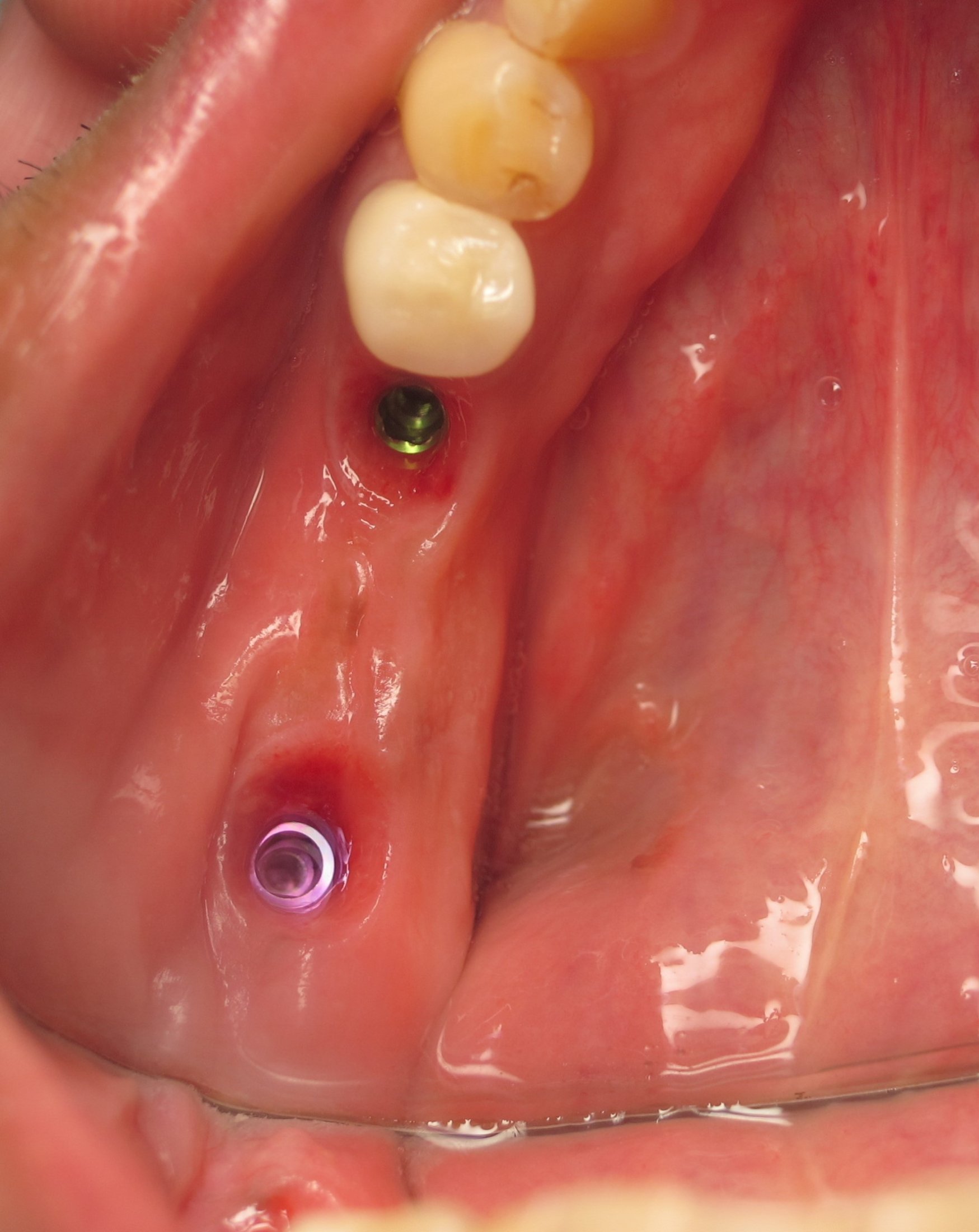
Implant surgery is a commitment. Although it takes time to recover, the results often last a lifetime, making it well worth the investment of time and money for anyone missing teeth.
- Day 1: Rest at home, rinsing your mouth periodically with warm salt water. You are on a liquid diet and should sleep with your head elevated to reduce swelling. Pain relievers and iced packs will minimize pain and swelling.
- Days 2-3: Pain and swelling will lessen. Stick to soft foods and continue to rest. Do not engage in strenuous activities, work, or classes.
- Day 4 and beyond: Most individuals can return to work or school on days four or five, depending on their comfort level. You can slowly begin adding firmer foods to your diet. Smoking must be avoided for as long as possible, but at least for a week.
- 6 to 9 months: Your implants are fully integrated with your jawbone. Dr. Mughal can remove the temporary restorations and place the permanent restorations. For some individuals, this may happen sooner.
Follow the post-surgery care tips we provide on the day of surgery to ensure a smooth recovery. If you have questions or concerns at any time, please contact our office at Excel Dental Care dba EDC Smiles Phone Number 214-504-9400, and our experienced staff will advise you.
What are the benefits of dental implants?
- Dental implants can last for decades. For many individuals, they last a lifetime.
- There is no other restoration option that looks or feels as natural.
- Implants stimulate the jawbone, preventing jawbone loss and the resulting sunken facial appearance.
- There is no need for special cleaners or cleaning routines.
- Dental implants are comfortable and do not slip, shift, or loosen.
- With dental implants, you can eat all the foods you love.
- Dental implants and restorations do not develop cavities or discolor with proper care.
Do you qualify for dental implants?
Anyone missing one or more teeth and in good overall health may qualify for dental implants, provided they have sufficient jawbone to support implants and do not have active periodontal disease.
If they have periodontal disease, this must be treated first. If bone mass is insufficient, bone grafting may be needed.
Individuals with certain immune diseases, bleeding disorders, or uncontrolled diabetes may not qualify for dental implants.
Heavy smokers may not qualify or may have to quit smoking before being considered for dental implants, as smoking interferes with the healing process. Dr. Mughal evaluates each patient’s suitability for implants on an individual basis.
Can I have dental implants if I have braces?
Yes. In most situations, you should have braces placed first to align your teeth properly but leave room for the implant or implants needed. However, in some situations, an implant may be placed first as an anchor for braces. It is crucial to have your orthodontist work closely with Dr. Mughal to determine the appropriate approach for optimal results.
How long do dental implants last?
Dental implants typically last 30 years or longer, and for many patients, they last a lifetime. If an attached restoration is damaged, it can usually be fixed or replaced without disturbing the titanium implant.
How much do dental implants cost?
The cost of dental implants depends on a wide range of factors, including the type of implant, the complexity of the surgery, whether bone grafting is needed, the restoration used, and more. Dr. Mughal provides an accurate quote for your dental implants at your initial consultation.
Ready to permanently restore your smile and improve your oral health? Call EDC Smiles in Frisco – McKinney at Excel Dental Care dba EDC Smiles Phone Number 214-504-9400 to schedule a consultation with Dr. Mughal and discover how dental implants can improve your life.